Pruning olive trees is a fascinating, yet rewarding task. Whether you’re a seasoned gardener or a beginner, it’s crucial to understand the right techniques for pruning olive trees to ensure their health and productivity. This guide will walk you through the fundamental steps and provide insightful tips, ensuring you get the most out of your olive trees. I unfortunately massacred my trees, but thankfully they exploded with growth by springs giving me a new found confidence

Why Pruning Olive Trees is Essential
My absolute favorite thing in the garden, well besides slamming my favorite green tea on a hot day, is pruning my olive trees. Pruning olive trees is not just a routine gardening task; it holds great significance. Regular pruning promotes the tree’s health, increases fruit production, and helps in maintaining the desired shape of the tree. It also ensures proper light penetration and air circulation within the tree, reducing the risk of pest infestations and diseases.
Understanding the Best Time to Prune
Let’s say you have a friend who has been growing an unruly moustache. It’s gotten so bushy that it’s hard to see his mouth. You know it’s time for a trim. But there’s a problem: your friend loves his moustache and has been quite protective of it, much like an olive tree during its active growth season.
Now, your friend is known to be a deep sleeper and sleeps like a log through late winter nights. And that’s when you decide to strike. Armed with your little scissors, you tiptoe into his room and snip, snip, snip…you give that moustache a good trim (equivalent to pruning the tree during its dormancy).
By the time your friend wakes up in the morning (spring), the deed has already been done. He’ll probably scratch his head, wondering when his moustache got so beautifully trimmed, just as the tree “wakes up” in spring, ready to burst forth with new growth, unharmed and unhindered by the pruning process.
In this way, the pruning (or the moustache trim) is done at a time when it causes the least disruption and yet sets the stage for a flourishing new season.
The Tools Needed..
A PAIR OF GLOVES to protect your hands.


HAND PRUNER FOR SMALLER BRANCHES LOPPERS FOR BRANCHES that are too big for hand pruners but too small for a saw,
Identifying Branches for Pruning
Identifying which branches to prune is critical in the process of pruning olive trees. It would be best if you targeted dead or diseased branches, branches that cross or rub against each other, and branches growing inward towards the center of the tree. Also, remove branches that are growing vertically as they compete with the main leader and can create a cluttered canopy.
Techniques for Pruning
Pruning techniques for olive trees may seem daunting for a beginner, but once you grasp the basics, it will become a simple task. The two primary methods used are thinning and reduction.

Thinning
Think of thinning like removing a few neighborhoods from the city that aren’t using their water effectively. Maybe they have leaks, or maybe they aren’t using the water they have. By removing those neighborhoods (branches), we’re allowing more water (energy) to go to the areas that can use it more effectively.
- Importance of Thinning: Olive trees, like any other tree, need adequate sunlight and air for photosynthesis and respiration respectively. Overgrown branches or excessive foliage can block sunlight, reducing the tree’s energy production and subsequently, fruit yield. Limited air circulation can also create a conducive environment for pests and diseases. Thinning addresses these issues, fostering a healthier tree.
- Methodology: Thinning should be performed strategically to avoid unnecessary damage to the tree. Start with branches that are dead, diseased, or not producing fruit. Also, consider removing branches that cross or rub against others, as this can cause damage over time. It’s also essential to thin out branches growing towards the center of the tree as they tend to block light for lower branches. Remember to use sharp, clean tools for a clean cut that will heal quickly.
- Outcome: Thinning, when done correctly, can lead to increased olive production and a healthier tree overall. It also maintains the natural form of the tree, enhancing its aesthetic appeal without drastically altering its shape.
Reduction
Now, reduction is a bit different. Let’s say we have a neighborhood that’s using a good amount of water (energy) but it’s just too large. What we do is reduce its size by redirecting some of its water lines (branches) to other areas. This way, we maintain the neighborhood, but at a smaller, more manageable size, while distributing more water (energy) to other parts of the city (tree).
The Terminal Bud
The terminal bud or the tip of a branch is like the furthest point in a water line. It’s where a lot of growth happens and where a lot of water (energy) goes. When we cut it off, the tree (the city’s water supply system) redirects that energy (water) to other buds (areas in the neighborhood), encouraging them to grow.

The terminal bud or the tip of a branch is like the furthest point in a water line. It’s where a lot of growth happens and where a lot of water (energy) goes. When we cut it off, the tree (the city’s water supply system) redirects that energy (water) to other buds (areas in the neighborhood), encouraging them to grow.
- Importance of Reduction: Over time, olive trees can grow beyond their desirable size, making it challenging to harvest or manage them. They might also start to encroach on structures or other plants. Reduction pruning helps manage the tree’s size and shape, making them more manageable and less likely to suffer from breakage or structural damage.
- Methodology: When performing reduction pruning, identify the branches you want to cut back. Make sure to cut back to a lateral branch that is at least one-third the diameter of the limb being removed. This is important because a smaller lateral branch may not be able to assume the terminal role, which could lead to the development of weak, upright branches. As in thinning, use sharp, clean tools for best results.
- Outcome: Reduction not only makes the tree more manageable, but it can also help stimulate growth in the lower parts of the tree by allowing more light to reach those areas. It’s a useful technique for maintaining the tree’s overall health while keeping it within an optimal size range.
Both thinning and reduction are essential techniques in the process of pruning olive trees, each with its unique benefits and applications. As you gain more experience and understanding of your trees, you’ll be able to better determine when and how to use each technique.
Personal Experience: Pruning My Standard Olives
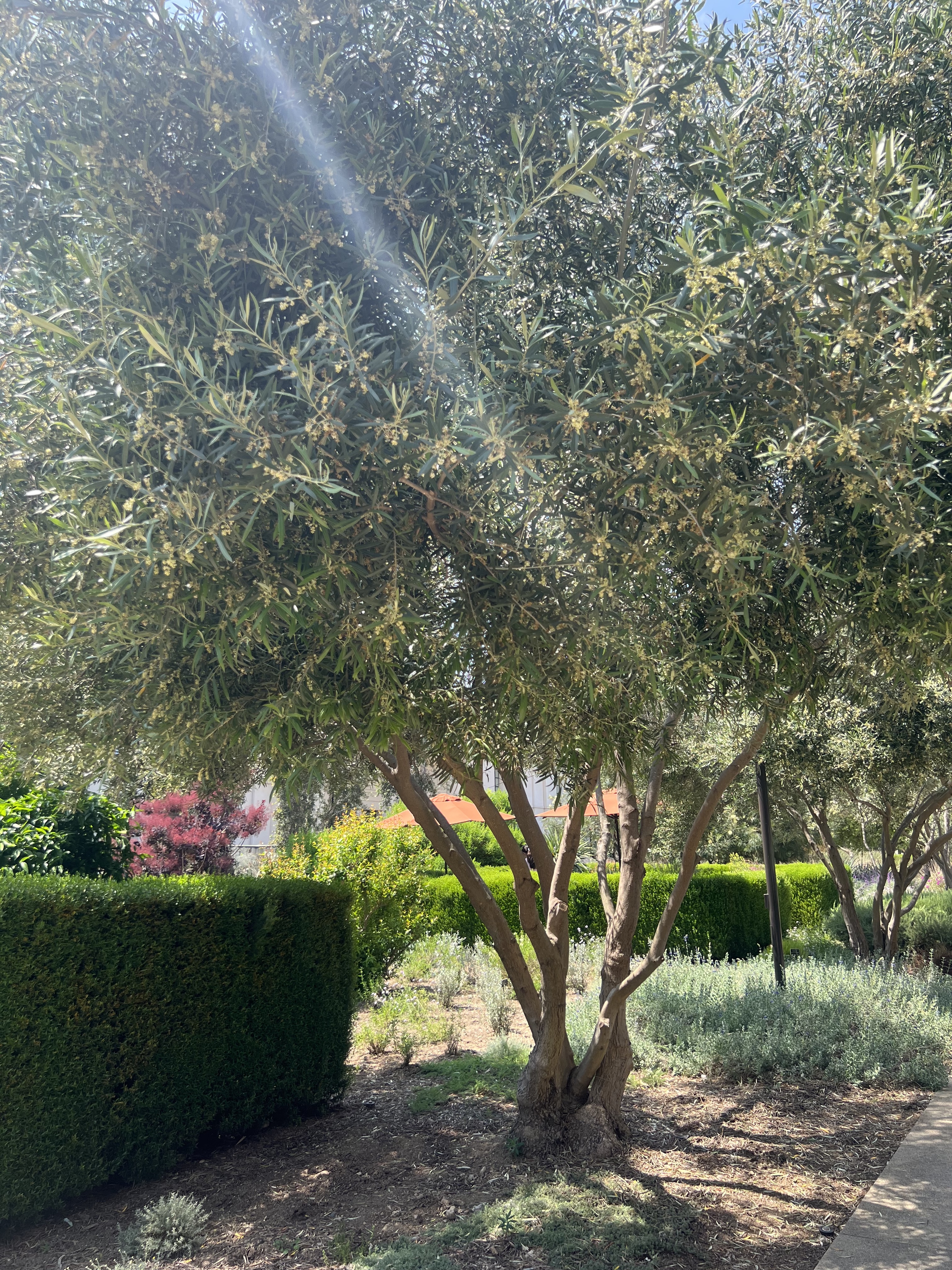
Like many of you, I too had reservations about pruning my olive trees, especially concerning the extent of pruning. I own a grove of standard olives, and I remember the first time I pruned them—I was worried that I might have pruned them too heavily. The trees looked bare, and I was anxious about whether they would recover and grow back. But, to my surprise, when spring rolled around, my trees exploded with lush, vibrant growth. It was an extraordinary sight that reassured me about the resilience of olive trees and the benefits of pruning. So, if you’re feeling apprehensive about making those cuts, remember my experience. Pruning, even heavy pruning, can invigorate your olive trees and lead to an impressive growth spurt in the subsequent season. So, don’t be afraid to prune!
How and Where to Make the Cut When Pruning Trees
Knowing where to make the cut is crucial when pruning olive trees. Whether you’re dealing with a thin or thick branch, the rule of thumb is to cut just above a bud. This encourages new growth to sprout from that bud. Aim for an angle of about 45 degrees, sloping away from the bud. This prevents water from collecting at the cut site, which could lead to decay.
When cutting thicker branches, use the three-cut method to prevent tearing or damaging the tree’s bark. The first cut is a notch made on the underside of the branch about 15-20 cm away from the trunk. The second cut is made from the top, a few centimeters further out along the branch than the first cut, effectively removing the bulk of the branch. The third and final cut is made close to the trunk or to a lateral branch, just outside the branch collar (the swollen area where the branch joins the trunk or a larger branch). This method ensures a clean, healthy cut that will heal efficiently, minimizing the risk of disease.
Steps for Pruning Olive Trees
Now that you have a basic understanding, let’s get into the practical steps for pruning olive trees.
Step 1: Safety First
Always prioritize your safety. Ensure you are wearing gloves to protect your hands and safety glasses to protect your eyes from falling debris.
Step 2: Assess the Tree
Before making any cuts, spend a few minutes assessing your olive tree. Identify which branches need pruning and which should be left alone. Look for the 3Ds – branches that are dead, diseased, or damaged.
Step 3: Begin Pruning
Start pruning from the bottom and work your way up. Begin by removing the lower branches that are too
Maintenance After Pruning Olive Trees
Pruning is only part of the maintenance process for your olive trees. After pruning, it’s crucial to care for your trees correctly to ensure they continue to thrive and produce fruit. Here are some post-pruning tips:
Watering
Pruning can stress olive trees, so ensure they get adequate water afterwards, especially in dry periods. However, remember not to overwater; olive trees are drought-tolerant and can suffer from root rot if the soil is too moist.\
Fertilizing
After pruning, provide your olive trees with a balanced, slow-release fertilizer. This will replace nutrients lost during pruning and promote healthy new growth. Always follow the manufacturer’s instructions when applying fertilizers.
Inspect Regularly
Regular inspection of your olive trees can help you catch any signs of disease or pest infestation early. If you notice anything unusual, take the necessary steps to address the issue immediately. This could include additional pruning, the use of organic or chemical pest control methods, or even seeking advice from a local extension service or a professional arborist.
Benefits of Pruning Olive Trees Regularly
Regular pruning of olive trees comes with a wealth of benefits that significantly improve the health and productivity of your trees.
Improved Fruit Production
Pruning encourages the growth of new fruiting wood, leading to higher olive production in the following season. By removing dead or unproductive branches, the tree can focus its energy on fruitful growth.
Better Health
Pruning helps to keep your olive trees healthy by removing dead, diseased, or pest-infested wood. This prevents the spread of diseases and pests to other parts of the tree.
Enhanced Aesthetics
Regular pruning not only keeps your trees healthy but also maintains a neat, attractive appearance. A well-pruned olive tree can add significant aesthetic value to your landscape.
Pruning Olive Trees: Patience and Practice
Pruning olive trees requires patience, practice, and a bit of knowledge about tree physiology. But, with this guide at your disposal, you’re now equipped with the essential information to start your journey. Over time, you’ll develop your pruning skills and enjoy the rewarding process of cultivating thriving olive trees.
Pruning olive trees is a crucial practice that every gardener should master. It enhances the tree’s health, productivity, and overall appearance. While it may seem complex at first, with patience, practice, and the right techniques, you’ll soon find it to be a simple and rewarding process. Don’t be afraid to make the first cut!





Leave a Reply