Disclaimer: Let’s set the stage here. Psychedelic substances, including magic mushrooms, are illegal in many countries and should only be used under professional supervision or in places where they’re legally permitted. This article does not encourage illegal activities. Instead, it aims to provide some food (or fungi) for thought, exploring the potential benefits of microdosing for mental health and the magic of medicinal mushrooms.
In This Article
- The Hocus Pocus of Microdosing
- Magic Mushrooms: The Uninvited Yet Fascinating Party Guests
- Historical Use of Magic Mushrooms
- My First Brush with Microdosing Mushrooms: Finding Beauty in Buildings and Plants
- The Art of Light and Shadow
- Falling in Love with Nature
- Reading Leaves, Watching Miracles
- Microdosing Mushrooms: Opening Windows to the World
- From Microdosing to Medicinal: The Mushroom Medley
- But What Does Science Say?
- The Upshot
Picture this: you’re a pixie, living in a meadow, choosing to nibble just a smidge of a magical mushroom each day. Why? Because rumor has it, the pixies that do are often the happiest, most creative, and least anxious of the lot. Welcome to the whimsical world of microdosing!
The Hocus Pocus of Microdosing
Microdosing involves taking teeny-tiny amounts of psychedelic substances, like psilocybin mushrooms, aka magic mushrooms, roughly one-tenth of a ‘trip’ dose. It’s like having a bite-sized Snickers instead of the whole candy bar—enough to feel satiated, but not so much that you’ll need a nap afterward.
Scientific studies on microdosing’s effects are still in their infancy, like a newly sprouted seedling. But, early research and anecdotal evidence suggest it could help manage anxiety and depression, boost creativity, and improve overall mood. Sounds like a magical pixie’s potion, doesn’t it?
But before we dive into the rabbit hole, let’s explore what happens when you welcome a magic mushroom into your cerebral party.
Magic Mushrooms: The Uninvited Yet Fascinating Party Guests
Psilocybin: The Psychedelic Party Crasher
When you ingest psilocybin, the active compound in magic mushrooms, it’s like an unexpected guest showing up to a party in your brain, bringing a different vibe that alters the usual chit-chat among your neurons.
Upon consumption, psilocybin mingles with your serotonin receptors. Serotonin, the diligent mailman of your brain, regularly delivers messages that regulate mood, anxiety, and happiness. Now, imagine psilocybin as an overzealous intern who, for a short while, takes over the mailman’s duties. This enthusiastic intern reroutes the mail paths, leading to novel connections and patterns of thought. It’s as if your GPS suddenly reroutes you, leading to the discovery of a hidden, delightful donut shop.
Historical Use of Magic Mushrooms
The use of magic mushrooms, or “shrooms” as they’re colloquially known, dates back thousands of years. Archaeological evidence points to the use of psilocybin-containing mushrooms in religious rituals in Mesoamerican cultures. The Aztecs referred to them as “teonanácatl,” or “flesh of the gods.” Indigenous tribes of Siberia and the Plains Indians of North America also used psychedelic mushrooms for spiritual purposes.
Taking a Trip with Psilocybin
Imagine stepping onto a rollercoaster. As it takes off, your heart rate and blood pressure shoot up, your pupils grow wider, like large black marbles, and you feel a gentle warmth spreading through your body. That’s what the physical onset of a psilocybin journey can feel like.
Once the rollercoaster reaches its peak, that’s when the ride truly begins. Picture the world around you morphing, senses mixing like paints on an artist’s palette. You might “see” the whispers of the wind or “touch” the vibrant colors of the sunset.
Then, imagine you’re on a boat in the middle of a quiet lake, the water’s surface perfectly still. That’s what your brain’s usually chatty ‘default mode network’ is like on psilocybin—it gets quieter. This might help explain why, during a psilocybin trip, you could feel like you’re dissolving into the water, losing the sense of where ‘you’ end and the ‘lake’ begins. This is what folks call an “ego death.”
And when the rollercoaster ride finally ends, some people step off feeling different. They might notice that their view of life has shifted slightly, like moving to a new house and seeing the neighborhood from a different angle. They might be more open, more creative, or more appreciative of life’s simple wonders. That’s the potential lingering magic of a psilocybin trip.
My First Brush with Microdosing Mushrooms: Finding Beauty in Buildings and Plants
When I first tried microdosing mushrooms, it felt like I’d been handed a brand new set of glasses. Suddenly, I saw buildings in a way I’d never seen them before. They weren’t just bricks and windows anymore, but grand designs made from lines, curves, and shadows. Each one was a piece of art telling its own story.
A New Pair of Glasses: Discovering Architecture
The first time I tried microdosing mushrooms, it was like wearing a new pair of glasses. Suddenly, buildings weren’t just blocks of bricks and glass. They became grand pieces of art, each one telling its own tale.
The Art of Light and Shadow
Sunlight playing on a building’s edge, shadows curling into intricate carvings, reflections of skyscrapers dancing in the glass of others—I started to see all of these details in a new light. Days after microdosing mushrooms, I couldn’t help but be drawn to these magical sights.
Falling in Love with Nature
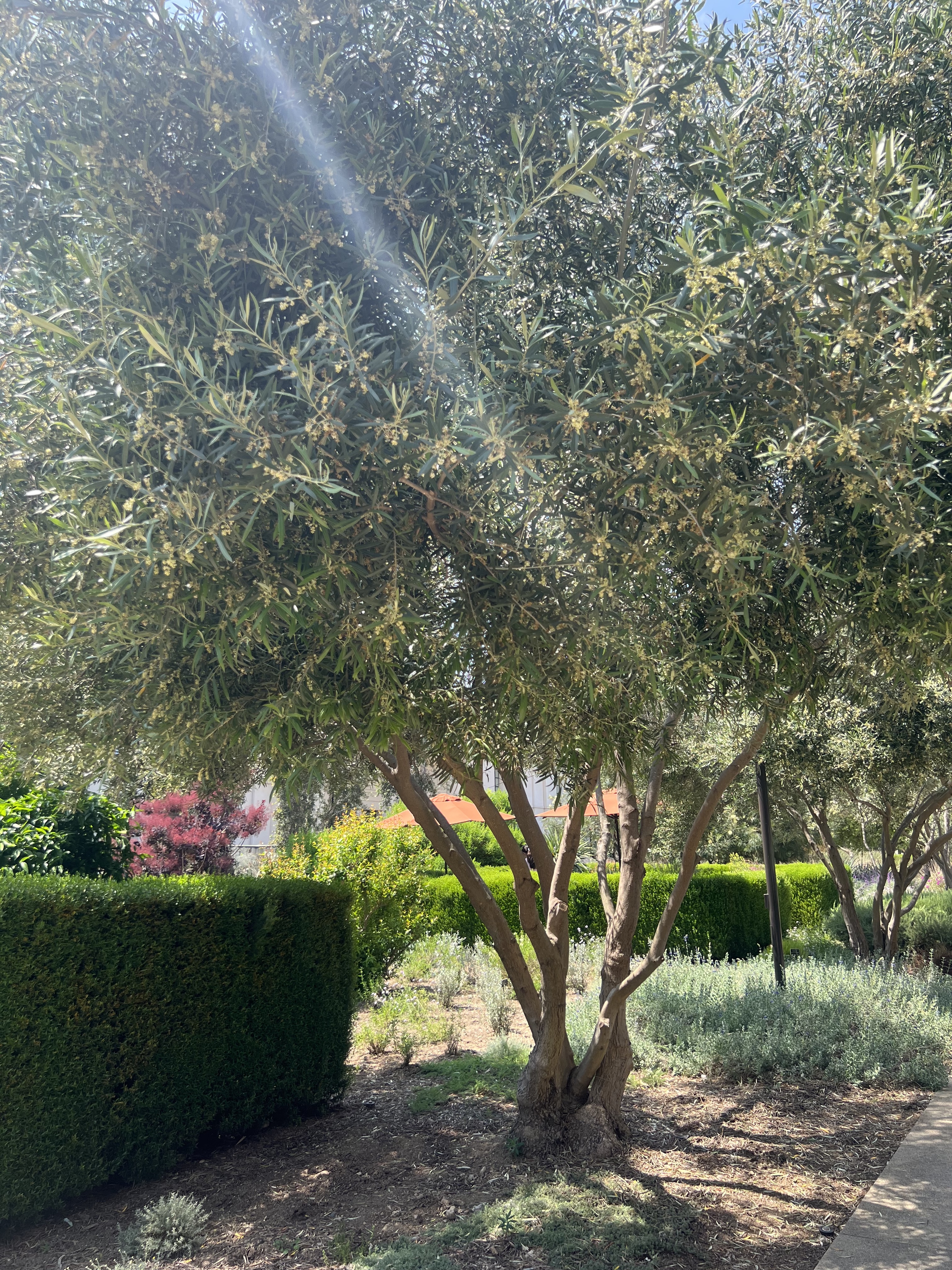
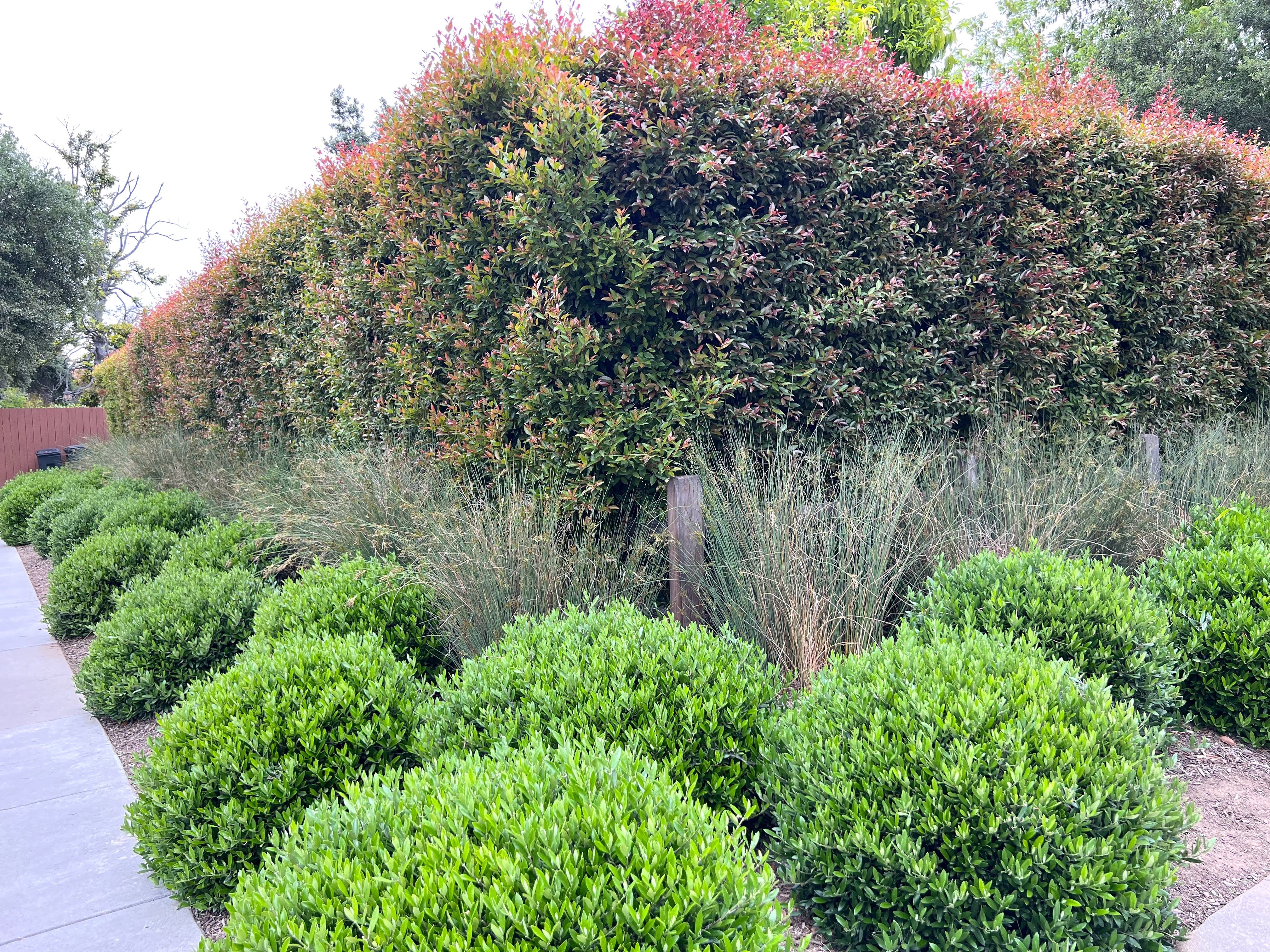
But my journey didn’t stop at buildings. Microdosing mushrooms led me to fall in love with nature too, especially plants. Many people say that nature and microdosing mushrooms are a perfect match, and I couldn’t agree more.
Reading Leaves, Watching Miracles
Each leaf became a life story written in shades of green, the veins forming the lines of the tale. Seeing new growth on a plant felt like witnessing a small miracle. The tender new shoots, fresh and full of life, were a sight to behold.

Microdosing Mushrooms: Opening Windows to the World
Microdosing mushrooms did something amazing. It threw open all the windows in my mind, flooding everything with light. From towering skyscrapers to tiny leaves, I found beauty in all corners of our world. Microdosing mushrooms helped me see and appreciate every tiny detail.

Despite the potential benefits and fascinating effects, it’s crucial to remember that magic mushrooms can also cause unsettling hallucinations, anxiety, and panic. These experiences can be especially intense for individuals with a history of mental health issues. Therefore, the use of psilocybin should be approached with caution and under professional guidance, as its effects can vary widely depending on the individual and the context of use.
From Microdosing to Medicinal: The Mushroom Medley

Now, let’s shift our focus to a different group of fungi—medicinal mushrooms. Unlike their psychedelic siblings, these mushrooms are all legal and have been used for centuries for their health benefits. They might not rearrange your mental furniture like psilocybin, but they have their own magical powers.
1. Reishi: The Mushroom of Immortality
Reishi, known as the ‘Mushroom of Immortality’ in Traditional Chinese Medicine, may not make you immortal (if only!), but it can help support your immune system. Think of it as a bodyguard for your cells, always ready to fend off unwanted guests.
2. Lion’s Mane: The Brain’s Personal Trainer
Lion’s mane could be your brain’s new best friend. Research suggests it may support cognitive function and nerve growth—like a personal trainer for your neurons.
3. Chaga: The Antioxidant Powerhouse
Chaga, a mushroom that looks more like a chunk of burnt wood than a tasty fungi, is an antioxidant powerhouse. It’s like the Hulk of the mushroom world, potentially protecting your body against damage from free radicals.
4. Turkey Tail: The Gut’s Cheerleader
Turkey Tail, a medicinal mushroom known for its characteristic fan-like appearance, is a powerful ally for our health. Rich in antioxidants and compounds like polysaccharide-K (PSK) and polysaccharide-peptide (PSP), Turkey Tail is believed to support immune health and potentially aid in cancer treatment. Moreover, its prebiotic properties make it beneficial for gut health, as it nourishes the beneficial bacteria in our microbiome.
5. Cordyceps: The Energy Booster
If you feel like a sloth on a slow day, cordyceps might just be your ticket to Energyville. Used in Traditional Chinese Medicine, it’s like a power-packed battery for your body, potentially enhancing physical performance and battling fatigue.
But What Does Science Say?
Just like when you receive a chain message claiming that you’ll find the love of your life next week (if only it were that easy), it’s essential to critically assess these benefits.
Psilocybin’s potential benefits for mental health are being researched, with some studies showing promising results. However, it’s essential to note that more research is needed, particularly large-scale, long-term studies.
Regarding medicinal mushrooms, there’s a growing body of evidence backing their benefits. However, it’s a bit like trying to piece together a jigsaw puzzle with some pieces still missing. More studies are needed to fully understand how these fantastic fungi work their magic.
The Upshot
Microdosing magic mushrooms might seem like a ticket to a happier, less anxious life, and medicinal mushrooms could be a fantastic addition to your health routine. But remember, it’s always important to do your research, talk to professionals, and avoid anything that’s not legal or safe in your location.
If you want to read more from john’s hopkins research on psychedelics, you can read about it here.
And while we may not have a definitive, carved-in-stone answer to the benefits of these marvels of the mycological world, one thing is clear: mushrooms are a lot more than just a pizza topping!
The information in this article is intended for educational purposes only and should not replace professional advice. Always consult with a healthcare provider before starting any new health regimen, especially one involving substances with potential mind-altering effects.